Blog
Solar Panels for High Electricity Usage That Work
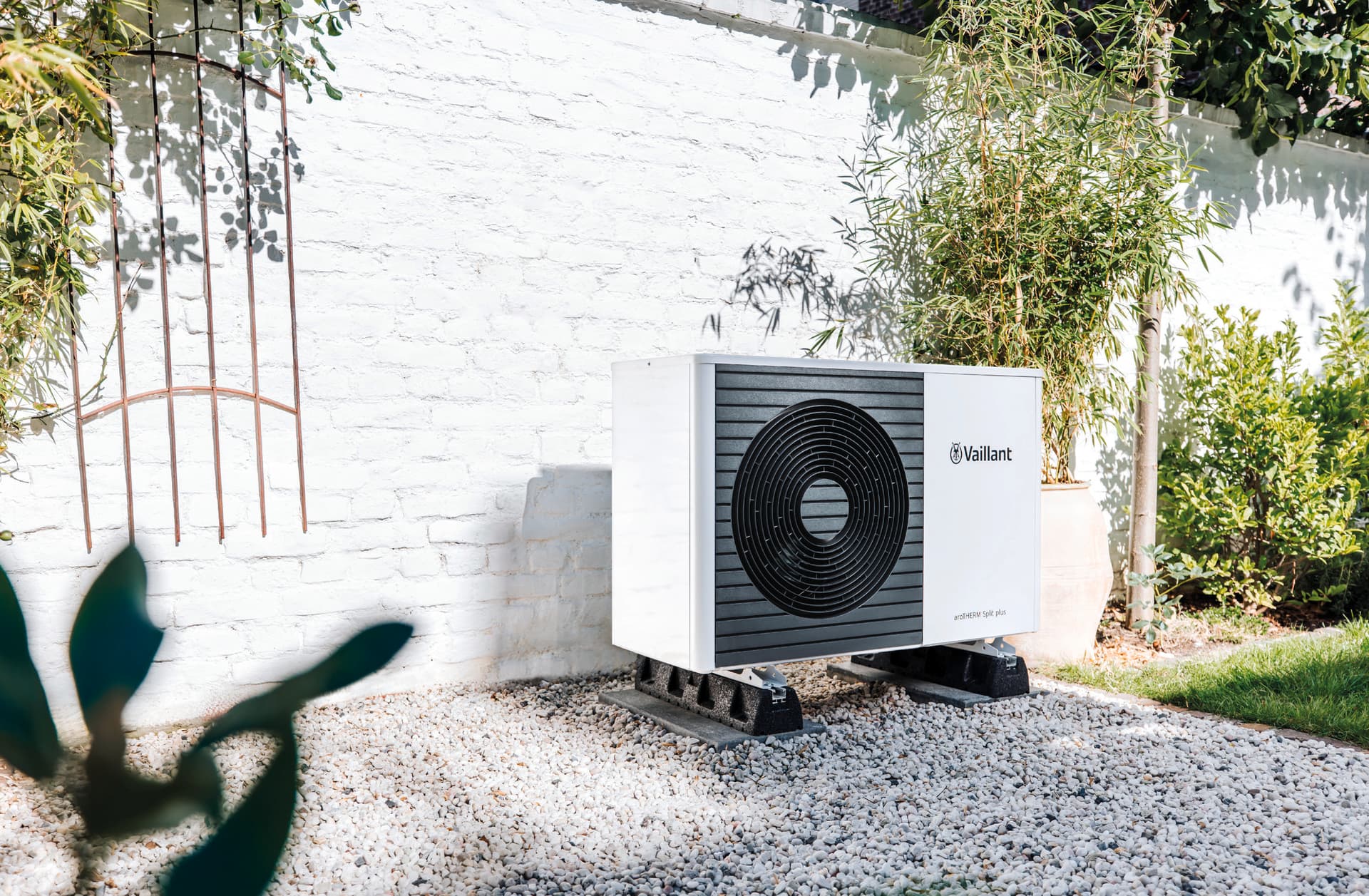
A household running two electric cars, an air-source heat pump and a busy home office does not have the same solar requirements as a property with modest daytime use. The same applies to a factory, care setting, school or community building with large, predictable electricity demand. Solar panels for high electricity usage can deliver meaningful savings, but only when the system is designed around when power is used, not simply how many kilowatt-hours appear on an annual bill.
A larger array is often part of the answer. It is not the whole answer. Roof space, shading, electrical capacity, export arrangements, tariff choice and the potential role of battery storage all affect the financial and practical result.
Why high usage can make solar more valuable
High electricity use creates a bigger opportunity to use solar generation on site. Every unit of solar electricity used directly by your property avoids buying a unit from the grid at your import rate. That is usually more valuable than exporting surplus generation for a lower payment.
For many high-use properties, the key measure is not just annual generation. It is self-consumption: the proportion of solar power used at the time it is generated. A business operating through the daytime may naturally use much of its output as it is produced. A home where occupants are away during the day may need battery storage, smart controls or flexible appliances to achieve a similar outcome.
This is why two properties with identical roofs can justify very different systems. One may gain most from a large solar array feeding steady daytime demand. The other may benefit from a smaller array paired with a battery and timed charging for an electric vehicle. Neither is automatically the better option without looking at the load profile.
Start with the pattern behind the bill
Annual consumption gives a useful starting point, but it can conceal the details that determine system performance. A property using 20,000 kWh a year may have a flat daily load, a sharp evening peak, seasonal heating demand or occasional high-demand equipment. Those patterns change the value of each panel and each kilowatt-hour of battery capacity.
For domestic properties, half-hourly smart-meter data can show whether demand rises after work, during daytime remote working, or overnight when vehicles charge. For commercial sites, interval data can reveal base load, production peaks, refrigeration demand, air conditioning use and weekend consumption.
Future demand matters just as much. An array sized around today’s usage may feel undersized after the installation of an EV charger, heat pump, additional machinery or air conditioning. Equally, a planned building refurbishment or more efficient equipment could reduce demand. Good design considers credible changes over the lifetime of the system rather than treating the latest bill as fixed.
High use does not always mean a very large array
There is a temptation to match solar capacity to annual electricity consumption as closely as possible. That can be misleading. Solar generation is highest in spring and summer, while some high-demand properties use most electricity on dark winter mornings and evenings. A heat-pump-led household, for example, may have its greatest demand when solar output is lowest.
A very large array can still be sensible, particularly where there is substantial daytime use or a viable export arrangement. However, the additional panels should be assessed against their likely on-site use, export income, installation cost and network constraints. More generation is useful, but not every added panel produces the same financial return.
Designing solar panels for high electricity usage
The most useful solar designs bring together the building, the energy data and the electrical system. The following questions should be resolved before selecting equipment.
Can the roof or land support the right capacity?
Usable area is more important than total roof size. Chimneys, rooflights, dormers, access routes and fire-safety requirements can limit panel layout. Roof orientation and pitch affect output, although east-west arrays can be particularly effective where a property has morning and late-afternoon demand. They may generate less at midday than a south-facing roof, but produce electricity over a broader part of the day.
Shading also deserves careful attention. A nearby tree, neighbouring building or roof structure can reduce output at particular times. Modern panel-level electronics can help in some circumstances, but they do not make poor roof space perform like an unshaded roof. For larger commercial and community installations, land, car parks and outbuildings may provide further options, subject to planning, structural and grid considerations.
Is the electrical infrastructure ready?
High electricity users often have more complex electrical arrangements. The main supply, distribution boards, phase balance, cable routes and available switchgear space all need checking. A three-phase supply can be beneficial for larger systems, but it does not remove the need for thoughtful design.
The local network’s export capacity is equally significant. A solar system may be technically capable of generating a certain amount of power, while the local grid can only accept a lower level of export without reinforcement or restriction. This is not a reason to abandon solar. It may shape inverter settings, system size, battery strategy or the timing of a grid application. It should be understood before the project is priced as though every exported unit will be accepted.
Will battery storage earn its place?
Battery storage is often valuable for high electricity usage, but it should not be added by default. Its role depends on the gap between generation and demand. A building that consumes most solar output during business hours may gain more from extra panels than a large battery. A household with strong evening use, overnight EV charging and variable tariffs may see a more compelling case for storage.
Batteries can store daytime solar for later use, but they can also charge from cheaper off-peak electricity where an appropriate tariff is available. This can reduce peak-rate purchases, although the economics depend on tariff spreads, battery size, charging losses, export payments and expected cycling. For some properties, a modest battery offers the best balance. For others, staged installation makes sense: install a battery-ready solar system now, then add storage once usage data confirms the right capacity.
Practical ways to use more of your solar power
Smart controls can improve self-consumption without changing everyday comfort. EV charging can be scheduled around solar output or lower-cost periods. Hot-water heating may be timed for midday generation where the existing system allows. Businesses can sometimes shift non-critical processes, pumping, refrigeration defrost cycles or cooling loads into productive solar hours.
The aim is not to force a property to operate around its panels. It is to identify flexible demand that can be moved with little disruption. In many cases, this delivers more value than trying to predict every unit of generation years in advance.
For landlords and property managers, the picture can be more nuanced. Solar can reduce landlord-controlled communal electricity costs, but the benefit to individual occupiers depends on the metering and supply arrangement. Clear consideration of ownership, billing and maintenance responsibilities is essential before design work begins.
Payback should be based on credible assumptions
High electricity consumption can support a strong solar business case, but predicted savings should be transparent. A useful proposal separates the likely value of electricity used on site from the income for electricity exported. It should show the assumed import and export rates, expected annual generation, degradation over time, battery assumptions where relevant, and any costs associated with electrical upgrades or network works.
Be cautious with proposals that promise savings based solely on a high annual bill. Electricity prices can change, weather varies and the way a building is used can alter. A sound appraisal looks at a sensible range of outcomes rather than presenting one optimistic figure as guaranteed.
For commercial organisations, the decision may also include resilience, carbon reporting, lease commitments and future electrification. Solar alone does not provide backup power during an outage unless the system is specifically designed with appropriate battery and backup capability. That distinction matters for sites where continuity of service is critical.
Advice before equipment
The best first step is a survey that examines consumption data alongside the roof or land, shading, structure, electrical infrastructure and local grid position. That process may confirm that a large solar array is appropriate. It may instead show that a phased installation, battery storage, load management or electrical upgrades should come first.
Solmove Renewables approaches this as an energy decision rather than a sales exercise, with clear equipment choices and no pressure to select a standard package. For a high-use property, the right design is the one that fits how the building operates now and leaves room for the way you expect it to operate next.
If your electricity use is rising, start by gathering recent bills and half-hourly data where available. A free, no-obligation energy survey can then turn a large annual number into a practical plan for lower purchased electricity and a more capable property.
Other Articles